In West Africa, many girls will be missing when the new school term begins because they will have been married during the holidays.
Child marriage can be both a cause and a consequence of girls’ lack of access to education. They may drop out of school because they are forced to marry, or they may be married off because they do not have the opportunity to attend school.
According to UNICEF, West and Central Africa have the highest prevalence of child marriage in the world. In this region, four out of 10 girls are married before the age of 18.
Absétou* from Côte d’Ivoire, Aubierge from Benin and Bibata from Burkina Faso all dreamt of continuing their education. Through resistance, activism, and resilience, they tell their stories.
“From the moment I refused to get married, I was beaten everyday”
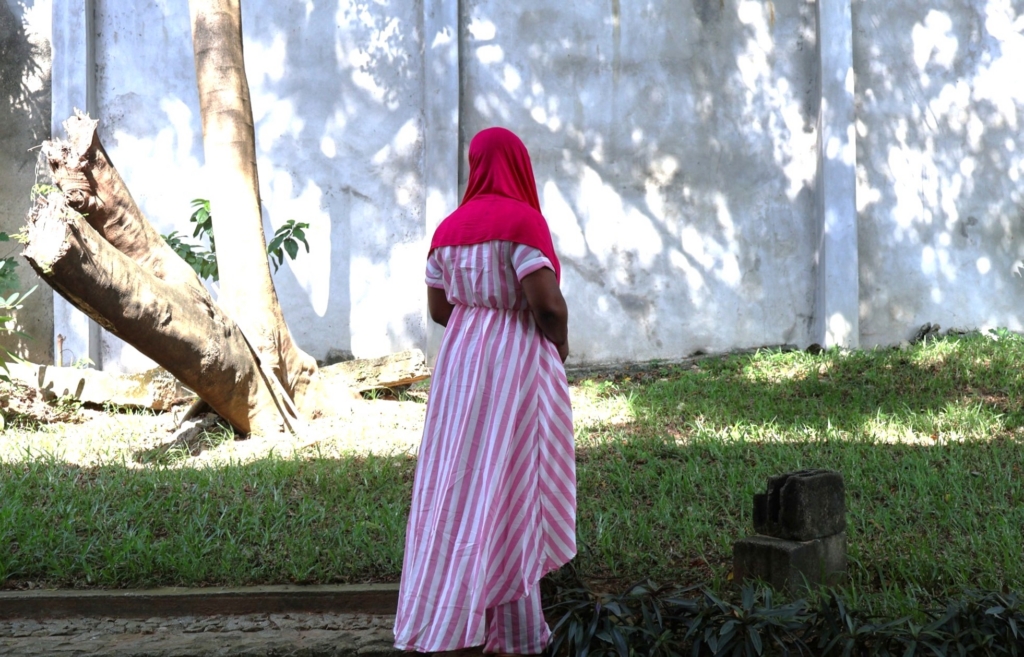
Absétou*, from Côte d’Ivoire, resisted the marriage her father tried to force upon her when she was still just a teenager. Now aged 29, she wants to marry a man of her own choosing.
“When I was 14, my father wanted to marry me off to a cousin who was in his thirties. He’d started making arrangements for the wedding behind my back; I realized he’d already bought the fabric to have the wedding clothes made.
I refused to go through with the marriage, telling my father that I wanted to continue my studies. I knew my rights because we were taught about them at school. At 14, I already had plans to become a midwife. From the moment I refused to get married, my father would send people to find me on my way to school, beat me, and drag me back home by force. I was beaten every day, and sometimes I wasn’t given anything to eat.
At the start of the following school year, my father didn’t pay my school fees. My mother said she couldn’t afford to help me; she was desperate. In our family, the mother has no say. I was suffering and crying every day.
My father can no longer stand in my way.
Survivor of early and forced marriage Absétou*
I went to see my English teacher to explain my situation, and he put me in touch with the people at Amnesty. I went to ask them for help. When they came to see my father, he refused to see them. In the end, my father threw me out of the house. Thanks to the support of Amnesty and the Ministry of Education, I was able to attend secondary school and, after my final examination, I went to live with a mentor and I trained as a midwife.
Even today, my relationship with my father is not good. When I visit him, we say hello but we don’t speak beyond that. I’m going to choose my own husband and organize my own wedding; that’s what I want, and my father can no longer stand in my way.
My little sister also refused the marriage our father wanted to force upon her, and he kicked her out of the house too, so she came to live with me. I ran a small business to pay for her school fees. My father no longer speaks to her at all.
I have been working as a state-registered midwife for three years now, and I am proud of my profession. As part of my work, I meet women who have been victims of violence. Some have been forced into marriage, others have undergone female genital mutilation; they tell me about their problems. I take the time to listen to these women and give them advice. Sometimes, when I think about them and what I’ve been through, I cry.
Early marriage is not a good thing. We need to raise awareness amongst parents and ask young girls what they want for their future. I encourage them to fight for themselves.”
*Name has been changed
“I decided to campaign for the right to education”
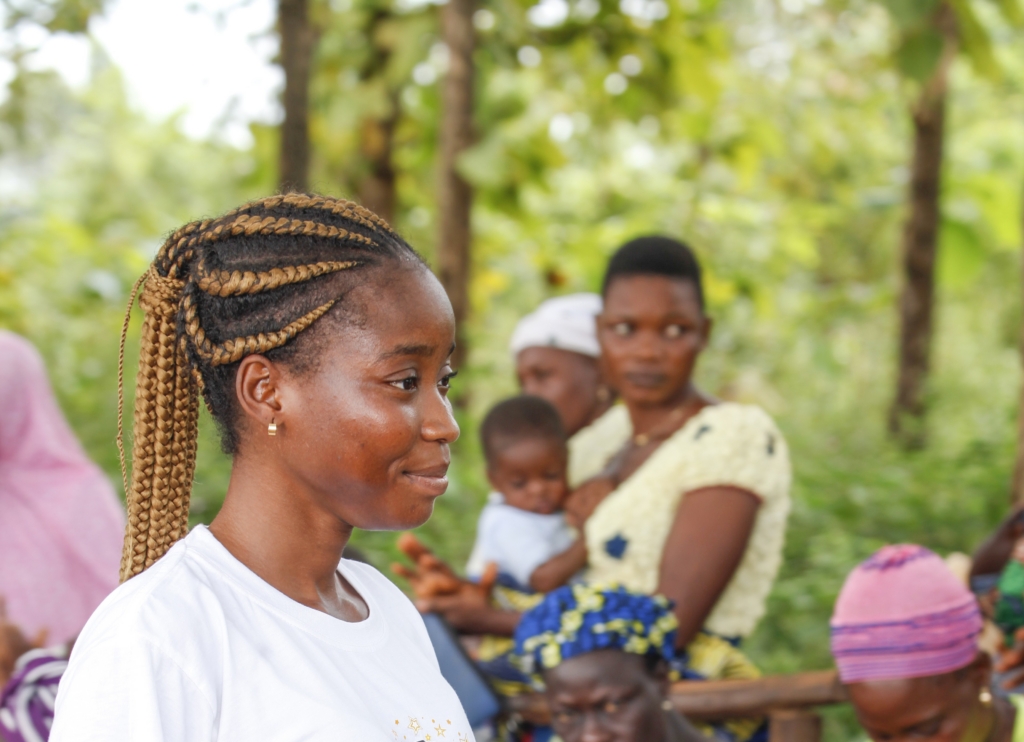
Aubierge, 22, a business student in Parakou, in northern Benin, has been campaigning for the right to education since the age of 15. Named a ‘Human Rights Star’ by Amnesty International Benin in 2024, she runs awareness-raising sessions in her community.
“When I was 14, my parents were talking about marrying me off. They didn’t tell me outright that they wouldn’t pay for my schooling any longer, but I realized I couldn’t expect anything from them and that I had to work to stay in school. I started doing small jobs, such as selling liquid soap and fabric, to pay for my school supplies.
I stopped asking my parents for anything, and they saw that I was determined, so they stopped talking about marrying me off. My sisters also fought to be able to study.
Once married, many girls were abused by their husbands.
Beninese activist Aubierge
That’s how it is in our community. I’ve often heard parents tell their 12-, 13- or 14-year-old daughters that they could no longer continue their education and that they had to get married. This happened to many of my classmates. Once married, many were abused by their husbands. My cousins, too, were married off at a young age, and some are in dire straits today. These girls were far too young when they were married; they knew nothing about marriage… Some were unable to stay with their husbands; they now farm, run small businesses and beg to make ends meet.
Faced with this, I told myself I couldn’t just stand by and do nothing. I decided to campaign for the right to education. I didn’t want to go through that myself, and I wanted to put an end to it.
Raising parents’ awareness of the harmful effects of early marriage is by no means easy. Sometimes, they take what we tell them the wrong way. It’s as if we were taking food out of their mouths or stripping them of their privileges. Parents often say that a child is there to help their parents. For them, a young girl must go to live with a man and provide for her parents, so when we raise awareness, it’s as if we’re calling all that into question.
I’ve fought hard to get where I am. It’s really difficult, but I’m staying the course. I speak out on behalf of vulnerable children.”
‘I won’t let that happen again’
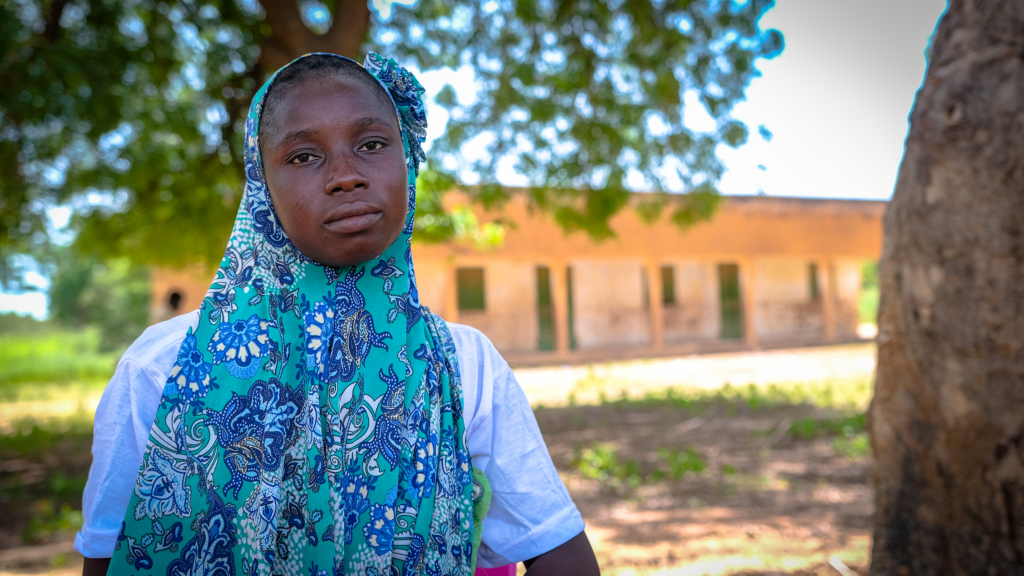
Believing that she could continue her studies, Bibata got married when she was 22 and left her home country, Burkina Faso, to go and live in Côte d’Ivoire with her husband. Now aged 27, the Burkinabè woman has had to return to her home country.
“When I was at secondary school, my parents told me they could no longer afford to pay for my education. A young man told me he would pay for it if I agreed to marry him. I accepted his proposal because it would allow me to go back to school, and that was very important to me!
When I left with my husband for Côte d’Ivoire, I took all my schoolbooks with me. But once we’d settled in, he never mentioned school again. I realized he’d lied to me.
He didn’t look after me, even when I was ill. For two years, I spent my days doing housework and at night I couldn’t sleep because my legs hurt so much. I was very ill, I lost a lot of weight… I decided to leave before I lost my life there.
I didn’t have any money to get back to Burkina Faso, but one of my former classmates who’d settled in Abidjan helped me out, and I was finally able to return to my parents’ home.
Now I know that, in a relationship, you need communication and honesty right from the start; each person needs to understand the other’s expectations. My husband may have had problems, but he didn’t talk about them and made me pay the price. After what I’ve been through, I won’t let that happen again.
I haven’t been able to go back to my studies yet. For the time being, I’m helping my parents in the fields. What I’d like to see is women being helped to set up businesses so they can earn an income. When women work, they can get by even without their husbands’ support. Women need to take matters into their own hands.”
Amnesty International is working with partner organizations and communities to put an end to early and forced marriage in West Africa. Through a human rights education programme implemented since 2017 in Burkina Faso, Senegal and Sierra Leone, the organization is working to combat gender-based violence, including female genital mutilation and early and forced marriage. In Benin and Côte d’Ivoire, the human rights organization campaigns to advance girls’ rights and carries out awareness-raising and educational activities about early and forced marriage at community level.
Would you like to find out more about the role human rights play in the fight against poverty and inequality?
Sign up for our course on economic, social and cultural rights
AJUDANZEUS SLOT